Compressor Types: Which is Right for You?
Part 1:
Choosing the Right Air Compressor
for Your Business in Australia
Compressor
Types:
Which is Right
For You?
When it comes to compressed air, one size doesn’t fit all.
Choosing between air compressor types can feel overwhelming – reciprocating, rotary screw, and portable diesel compressors all serve very different purposes. Each comes with its own strengths, limitations, servicing needs, and long-term cost considerations. Understanding these differences is the first step toward choosing a system that supports your operation reliably and cost-effectively.
Reciprocating (Piston) Compressors
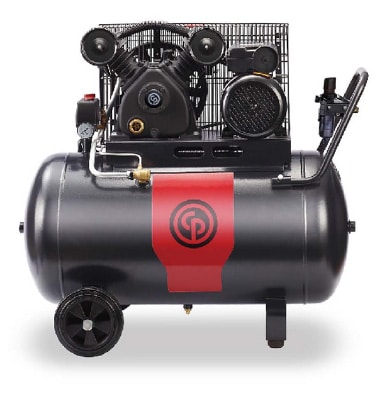
Reciprocating compressors use pistons driven by a crankshaft to compress air. They’re robust, simple, and well-suited to intermittent use rather than continuous operation. Common in small workshops, agricultural sites, and manufacturing facilities as backup units, their straightforward mechanics make them easy to repair – even in remote locations.
Best for:
Smaller applications, intermittent jobs, emergency backup.
Advantages:
- Lower upfront cost
- Simple to service and repair
- Strong high-pressure capability
Drawbacks:
- Noisy operation
- Not suitable for 24/7 use
- Generates heat under heavy load
Rotary Screw Compressors
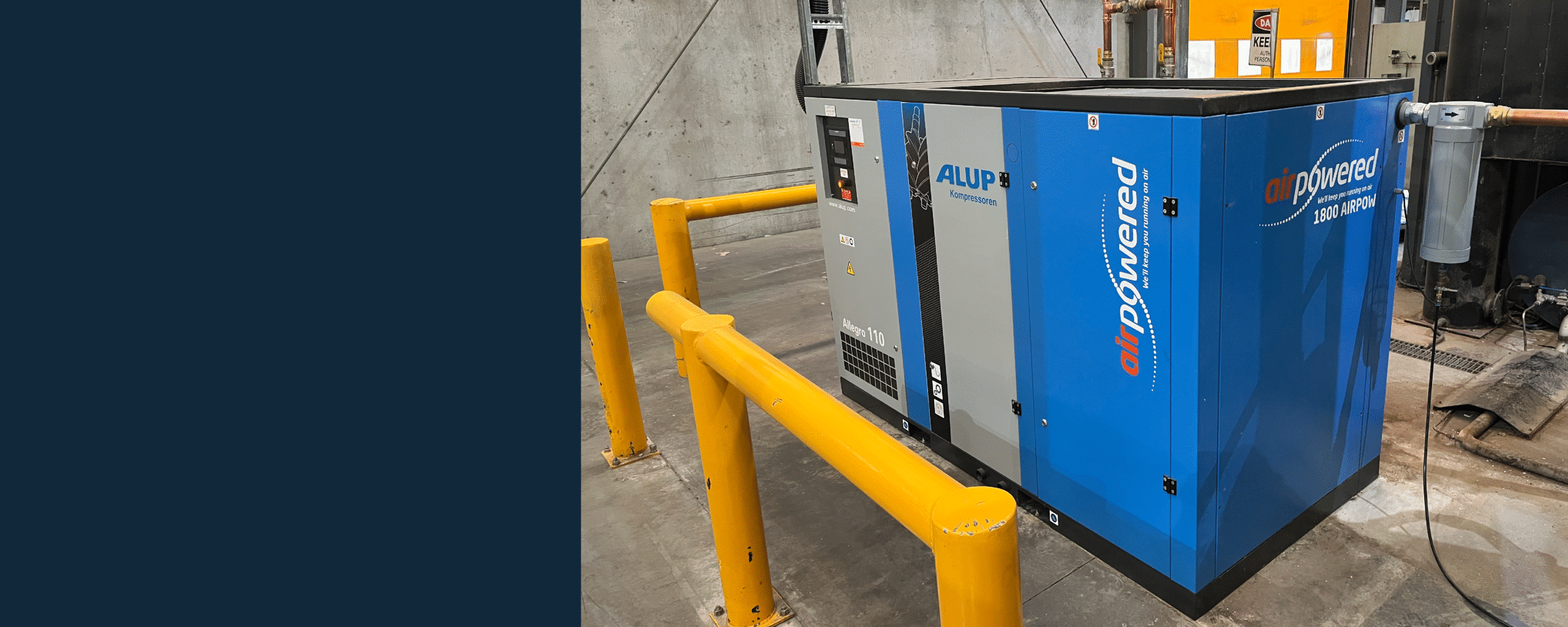
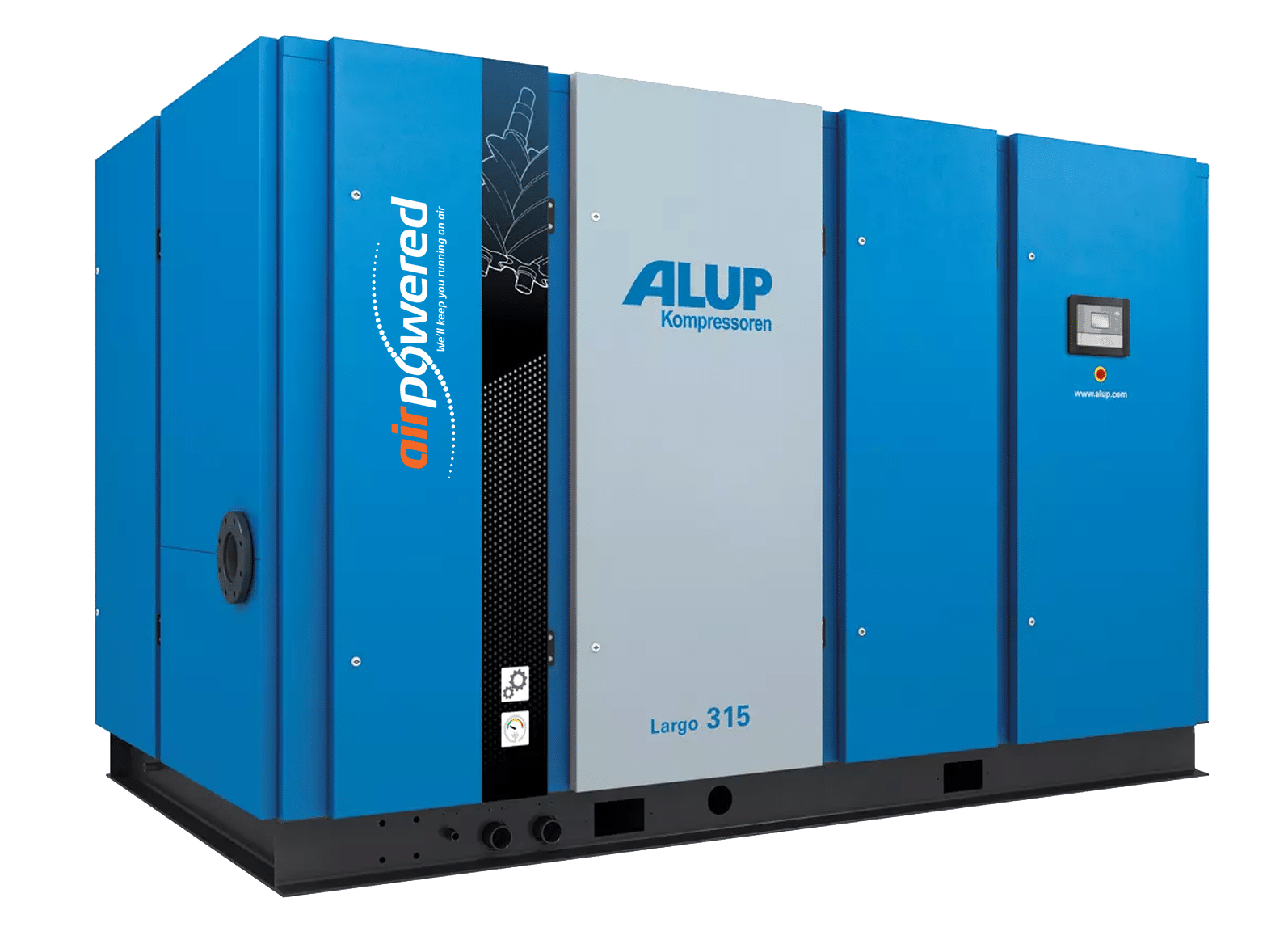
Rotary screw compressors are engineered for high-volume, continuous-duty applications. Using two meshing screws, they deliver consistent airflow with excellent efficiency – making them the preferred choice for industries like manufacturing, food & beverage, and pharmaceuticals where uptime is essential. A well-built, well-serviced rotary screw compressor can provide 10–15 years of dependable performance.
Best for:
Industrial manufacturing, mining operations, food & beverage facilities, pharmaceutical production
Advantages:
- Energy efficient and quiet
- Long service life (10–15 years when properly maintained)
- Designed for continuous-duty operation
Drawbacks:
- Higher upfront investment
- Requires professional servicing
Portable Diesel Compressors
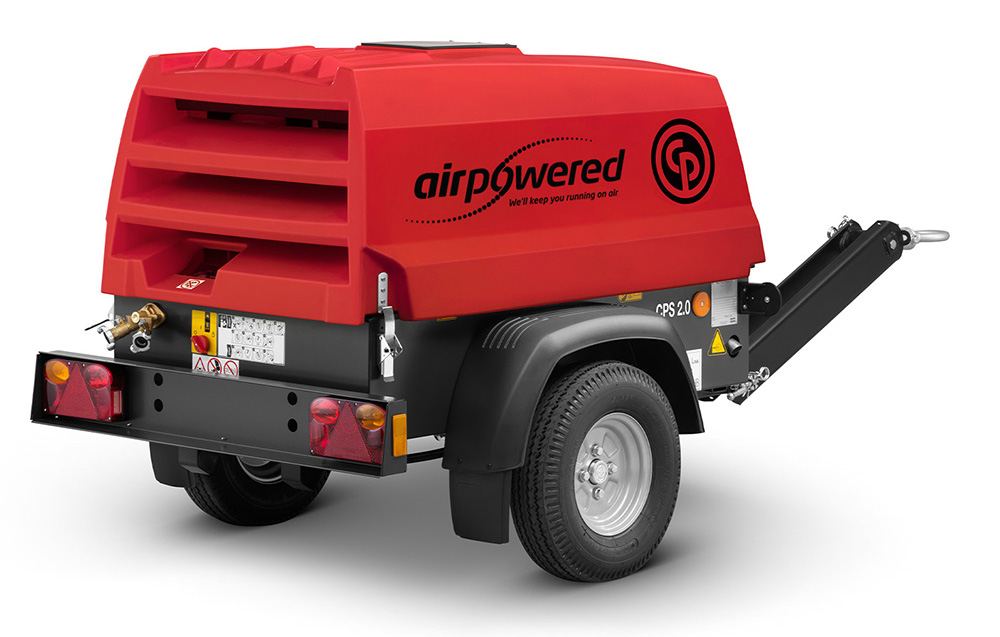
Portable diesel compressors are designed for mobility and independence from mains power. They’re critical in civil construction, roadworks, remote projects, and applications where electric power is unavailable. Their flexibility is a major advantage, but fuel consumption and emissions mean they should be treated as mobile units – not permanent installations.
Best for:
Roadworks, civil construction, remote or off-grid operations
Advantages:
- Highly mobile
- Rugged design for harsh environments
- Independent of mains power
Drawbacks:
- Higher running and servicing costs
- Generates emissions
- Requires transport logistics
Industry Insight: Choosing the Right Machine
Selecting a compressor is not just about size or price – it’s about matching the machine to your environment and application.
For example:
- A rotary screw compressor installed without upgraded filtration in a dusty mining environment will quickly suffer avoidable failures.
- A diesel compressor used as a permanent on-site installation will burn unnecessary fuel and increase servicing costs.
Choosing wisely can:
✔ reduce annual energy bills by up to 30%
✔ extend service intervals
✔ improve uptime
✔ give your operation room to scale confidently
This is the first instalment in our 6-part series – released over the coming weeks – designed to help Australian businesses make smarter, more efficient air compressor decisions.
Ready to choose the right compressor?
Book a free consultation with one of our compressed air specialists. We’ll help you match the right solution to your application – and keep your business running on air.
👉 Request a Quote
👉 Book a System Assessment
👉 Or call 1800 247 769
Air Powered – Your Defence Against Downtime
Coming up soon:
Sizing: Avoiding Overspending and Underperformance
Getting the size right is one of the most important – and most overlooked – steps in air compressor selection.