
Protecting Your Operations From Unexpected Shutdowns
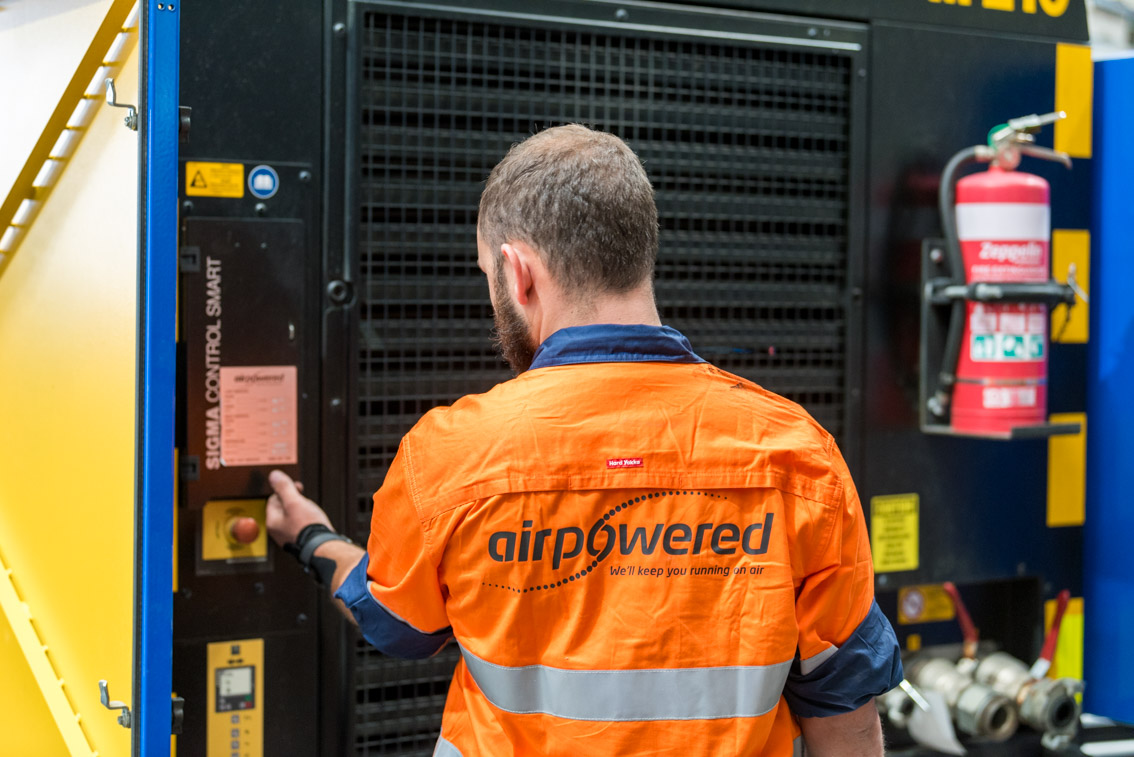
Redundancy isn’t wasteful, it’s wise. In industries like mining, manufacturing, construction, energy, and government projects, a single compressor failure can bring operations to an expensive standstill.
That’s why successful operations plan for failure, build in redundancy, and protect themselves from the costly ripple effects of unexpected shutdowns. Let’s look at why redundancy matters and how to plan for it.
The Importance of Redundancy in Industrial Operations
A compressor breakdown is never “just” an equipment issue. It’s a direct hit to productivity, safety, and sometimes even compliance.
Real-world examples of costly downtime include:
- Manufacturing: a single failed compressor on a production line can halt output entirely, leaving hundreds of staff idle and customer orders delayed.
- Mining and resources: downtime doesn’t just stop machinery. It can strand crews underground or idle fleets of equipment costing thousands per hour.
- Construction: on-site, lost compressed air can stall critical tasks like shotcreting, jackhammering, or drilling, derailing project timelines.
The cost isn’t measured in hours of repair. It’s measured in lost production, penalties for missed deadlines, reputational damage, and stressed teams scrambling to respond.
Redundancy Supports Safety, Compliance, and Continuity
In many industries, compressed air is a safety-critical system. From powering breathing apparatus to running safety valves and control systems, failure can create risks that extend beyond just dollars and cents.
Regulatory compliance requires contingency planning. Having redundant air systems in place demonstrates due diligence and protects against liability.
The ROI of Having a Backup Plan
While redundancy requires investment, the return is clear:
- Avoided downtime costs: just one avoided shutdown can often justify the spend.
- Extended equipment life: sharing load across multiple units reduces wear.
- Insurance for reputation: customers and regulators see reliability as part of professionalism.
In short: redundancy isn’t an overhead, it’s a value driver.
Planning for Downtime: A Guide to Compressor Redundancy
Redundancy doesn’t mean buying a spare compressor and hoping it works when needed. It’s about building a strategy that fits your risk profile, operations, and budget.
Step 1: Know your risk
Start by asking:
- What’s the cost of one hour of downtime?
- Which processes are most vulnerable to air loss?
- How quickly could you source a replacement if your primary unit failed?
Quantifying the impact of downtime helps frame and justify the investment in redundancy, ensuring resources are allocated where they matter most.
Step 2: Choose the right redundancy model
There are several approaches to compressor redundancy. Here are some common options:
| Strategy | Description | Best for… |
| Standby Compressor | A second unit that activates when the primary fails | High-volume, continuous operations |
| Dual System (N+1) | Two compressors sharing the load | Critical systems with no downtime tolerance |
| Mobile Backup | A portable unit on-site or nearby | Remote sites, seasonal projects |
| Emergency Hire Agreement | Pre-arranged hire plan with rapid delivery | Budget-conscious operations |
Each approach involves trade-offs in cost, space, and responsiveness. The right choice will depend on your operational criticality and risk appetite.
Step 3: build a response plan
Even with redundancy in place, your team needs to know what to do when something goes wrong.
Your plan should include:
- Who to contact (internal and external)
- How to switch over to backup systems
- What to communicate to staff and stakeholders
- Where to find specs, manuals, and service history
Step 4: Keep your backup ready
A backup compressor that hasn’t been serviced in a year isn’t a backup. It’s a liability.
Maintenance tips:
- Service standby units on the same schedule as primary ones
- Test switchover systems regularly
- Keep hoses, fittings, and power supplies in good condition
- Store mobile units in accessible, protected locations
Compressor Redundancy in Action: Protecting your Operations from Unexpected Shutdowns
You don’t get a warning when your compressor fails. It just stops. And suddenly your people, productivity, and reputation are on the line. When the worst happens, redundancy is what keeps your business moving. It’s a business safeguard and the difference between a controlled response and costly chaos.
The key: your backup must be ready to go. Not neglected, buried in storage, or waiting on paperwork.
What to Do When Your Primary System Fails
With redundancy, the plan is simple: switch to the backup and keep working. Without it, the options are limited: scramble to hire, attempt emergency repairs, or accept downtime losses.
Building a Resilient Setup
The best plan is to go with a supplier who offers more than simply equipment sales or hire. Partner with a team who’ll help you design redundancy strategies that are practical, scalable, and ready to perform when it counts. For our clients, that looks like:
- System audits: identifying weak points and quantifying downtime risk
- Tailored solutions: designing redundancy plans to fit budgets and operations
- Hire and backup support: maintaining a fleet of hire units ready to deploy
- End-to-end service: from supply and installation to ongoing maintenance, ensuring backups are always ready
The Takeaway
Redundancy isn’t just about having a spare. It’s about having a plan. One that protects your business from unexpected shutdowns, safeguards safety and compliance, and gives you peace of mind that operations won’t stop because of one machine.
Remember, in compressed air, redundancy isn’t excess, it’s resilience.
Keeping Your Operations Powered, Efficient, and Protected
Compressed air may be the backbone of your operations, but resilience comes from strategy. Efficiency upgrades, flexible hire options, redundancy planning, and proactive servicing all work together to ensure compressed air is never the weak link.
At Air Powered Services, we don’t just supply equipment, we help businesses design compressed air strategies that balance performance, flexibility, and long-term reliability. From everyday efficiency to emergency hire and redundancy, our goal is the same: to keep you running on air.