
Mining is a cornerstone of the Australian economy, operating across vast, remote, and often extreme environments. In these conditions, compressed air systems aren’t optional utilities, they’re critical infrastructure.
From drilling and blasting to fixed plant processing and instrumentation control, compressed air plays different roles across a mine site. Choosing the right equipment, and having the right support behind it, can make a measurable difference to efficiency, safety, and overall performance.
What Compressors Actually Do in Mining
On a typical mine site, compressed air is everywhere.
It powers rock drills, grinders, impact wrenches, bolt drivers and other tools that need to perform consistently in tough, high-demand environments. Pneumatic equipment remains a preferred choice because it’s reliable and well suited to conditions where electrical alternatives may introduce additional risks.
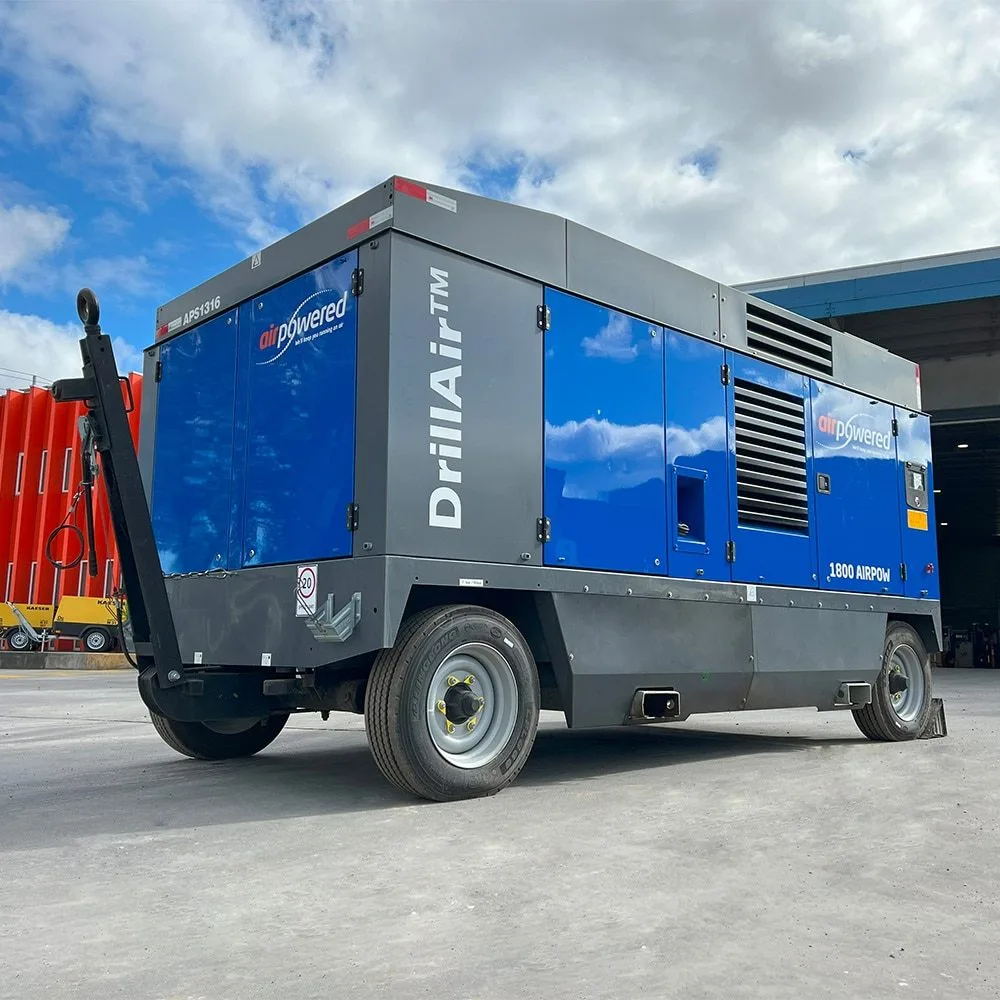
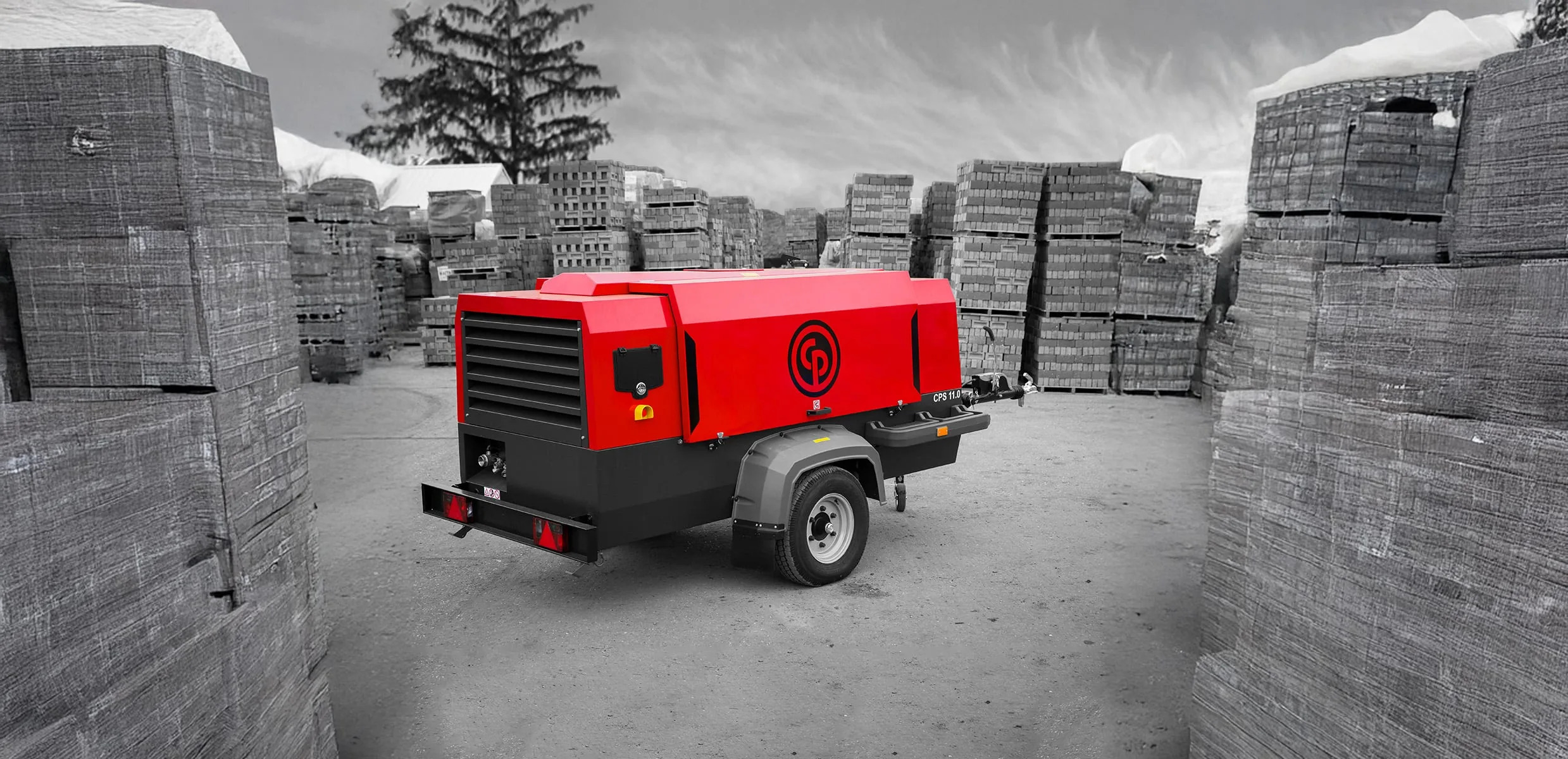
Drilling and blasting activities are typically powered by high pressure diesel-driven portable compressors. These units are built for mobility, high airflow, and durability in remote areas where electrical infrastructure may not be available. They’re used for: exploration drilling, blast hole drilling, remote site works and shutdown support. In these environments, reliability and rugged design matter more than energy optimisation. Equipment needs to start every time, handle dust and heat, and operate far from immediate service access.
In processing plants, workshops, and infrastructure zones, electric compressors are more common. These installations support: pneumatic tools in maintenance workshops, instrument and control air for valves and automation systems, packaging and processing systems and general plant air supply. Here, air quality becomes critical. Clean, dry compressed air protects sensitive instrumentation and ensures stable plant performance. If air quality drops, reliability drops, and that can quickly become a safety and production issue.
Why Mining Environments Are Tough on Air Systems
Mining doesn’t offer gentle conditions.
Dust and airborne contaminants can wear down internal components faster than expected. High ambient temperatures add constant thermal stress. Moisture, if not properly managed, leads to corrosion and damage in both tools and sensitive instrumentation, and with many Australian mining operations located in remote regions, support access isn’t always immediate. When something fails, downtime can stretch longer than it should.
That’s why compressed air systems in mining need to be rugged, properly specified, and supported by a provider with strong national coverage. Reliability isn’t just about equipment; it’s about backup and response.
Choosing the Right Compressor
Selecting a system isn’t simply a matter of matching pressure and flow requirements.
- You need to consider how the equipment will perform under continuous load, how air quality requirements differ between workshop tools and precision instrumentation, and whether the system can scale as the site expands.
- Some operations require portable units for temporary or remote works. Others benefit from fixed installations engineered for long-term efficiency and energy performance.
- Compressed air can represent a significant portion of a mine’s energy costs. When properly specified, a system won’t just meet demand — it will reduce downtime, improve reliability, and deliver measurable savings over its lifecycle.
Maintenance Matters More Than You Think
Even the most robust compressor, diesel or electric, won’t perform without proper maintenance.
Air leaks, clogged filters, or poorly maintained dryers may seem minor, but over time they quietly reduce efficiency and increase operating costs. Left unchecked, they can lead to premature wear or unexpected shutdowns.
A proactive maintenance strategy makes all the difference. Regular servicing, system monitoring, and performance reviews allow issues to be addressed before they escalate.
For mining operations, this isn’t just good practice, it’s essential to maintaining uptime and protecting productivity.
What to Look for in a Compressed Air Partner for Mining
When operating in Australia’s demanding mining environments, the right compressed air partner should offer more than just equipment supply.
They should understand how systems perform under continuous load, in remote locations, and in harsh conditions. From initial specification through to installation and long-term servicing, consistency and reliability matter at every stage.
A strong partner will be able to assess system performance, identify inefficiencies, and recommend practical improvements that reduce energy waste and improve uptime. They should also provide structured preventive maintenance programs — not just reactive breakdown support.
National coverage is equally important. Mining operations don’t always sit close to metropolitan service centres, so responsive support and access to parts can make a significant difference when issues arise.
In mining, delays cost more than time. Choosing a partner with the experience, technical capability, and service reach to support your operation can directly impact productivity and long-term performance.
Conclusion
Compressed air systems are fundamental to modern mining infrastructure. When they’re designed properly, maintained correctly, and supported by the right people, they contribute directly to safer operations, stronger efficiency, and lower operating costs.
In an industry as critical as mining, especially here in Australia, reliability isn’t a luxury. It’s the baseline.
After 30 years in the air game, one thing remains true: the answer lies in keeping it simple. One number. One team. One partner who understands what it takes to keep you running on air.
From sales, to servicing, to equipment hire, having the right support on speed dial means downtime becomes someone else’s problem. That’s your defence against downtime – wherever your operation is based.